Is Phu Quoc Worth Visiting? An Honest Update

When we ended our month in Vietnam with a week on Phu Quoc, we closed our review post with a slightly cheeky line. We said we just hoped the island didn’t fall down the Phuket rabbit hole.
Well. About that.
We haven’t been back since 2024, but we’ve been watching Phu Quoc from a distance with the same mix of affection and mild horror that you watch a quiet neighbourhood pub get discovered by influencers.
The numbers coming off the island now are enormous. International arrivals up more than 60% year on year. Over a million foreign visitors in the first four months of 2026 alone.
Hotel occupancy hitting 95% across peak periods. Phu Quoc is being called “the Hawaii of Asia” in US travel media, it’s been named a top four trending destination of 2026, and it’s about to host the APEC 2027 summit, which is driving a building boom across the island.
So the honest question is no longer “is Phu Quoc worth visiting?” It’s “is Phu Quoc still the same place worth visiting?”
We think the answer is yes, with a few more asterisks than we had to add last time. This post is both a verdict and a bit of a survival guide, so you can go in with clear eyes and still come home happy.
Where is Phu Quoc?
Phu Quoc sits in the Gulf of Thailand, just off the coast at the southern border of Vietnam and Cambodia. One small thing worth noting: following Vietnam’s 2025 administrative reshuffle, the island is now part of An Giang Province rather than Kien Giang.
Nothing changes on the ground for visitors, but you’ll see the new name on official signage and newer booking sites.
Is Phu Quoc still worth visiting in 2026?
Short answer: yes, it is. But the version of Phu Quoc you’ll visit in 2026 is not the Phu Quoc we visited, and it’s worth being upfront about that before you book.

When we were there in mid 2024, we walked onto every ride at VinWonders without queuing. We had beach stretches more or less to ourselves. We paid around US$100 a night for a five-star beachfront resort and felt faintly guilty about it.
That version of the island is gone, or at least gone for most of the year.
What’s replaced it is busier, glossier, and more expensive, but also more accessible and considerably better connected. There are direct flights now from places like Warsaw, Seoul, and Taipei that didn’t exist when we visited.
A new local carrier, Sun PhuQuoc Airways, has started up. The south of the island, in particular, has gone full resort-hub, with integrated entertainment complexes, nightly fireworks shows, and a cable car that still holds the Guinness record for longest sea-crossing cable car in the world.
Here’s the thing though: Phu Quoc is a big island. Much bigger than people expect. And the overdevelopment is largely concentrated in two zones, the south around Sunset Town and An Thoi, and the central strip around Duong Dong.
The north and west coasts are still recognisably the Phu Quoc we remember. Quieter beaches, fewer tourists, fewer selfie queues. If you know where to point yourself, you can still get the good version.
How many days do I need in Phu Quoc?
We had six nights, split between two resorts, and that still feels about right to us. Long enough to unwind properly, short enough not to run out of things to do.
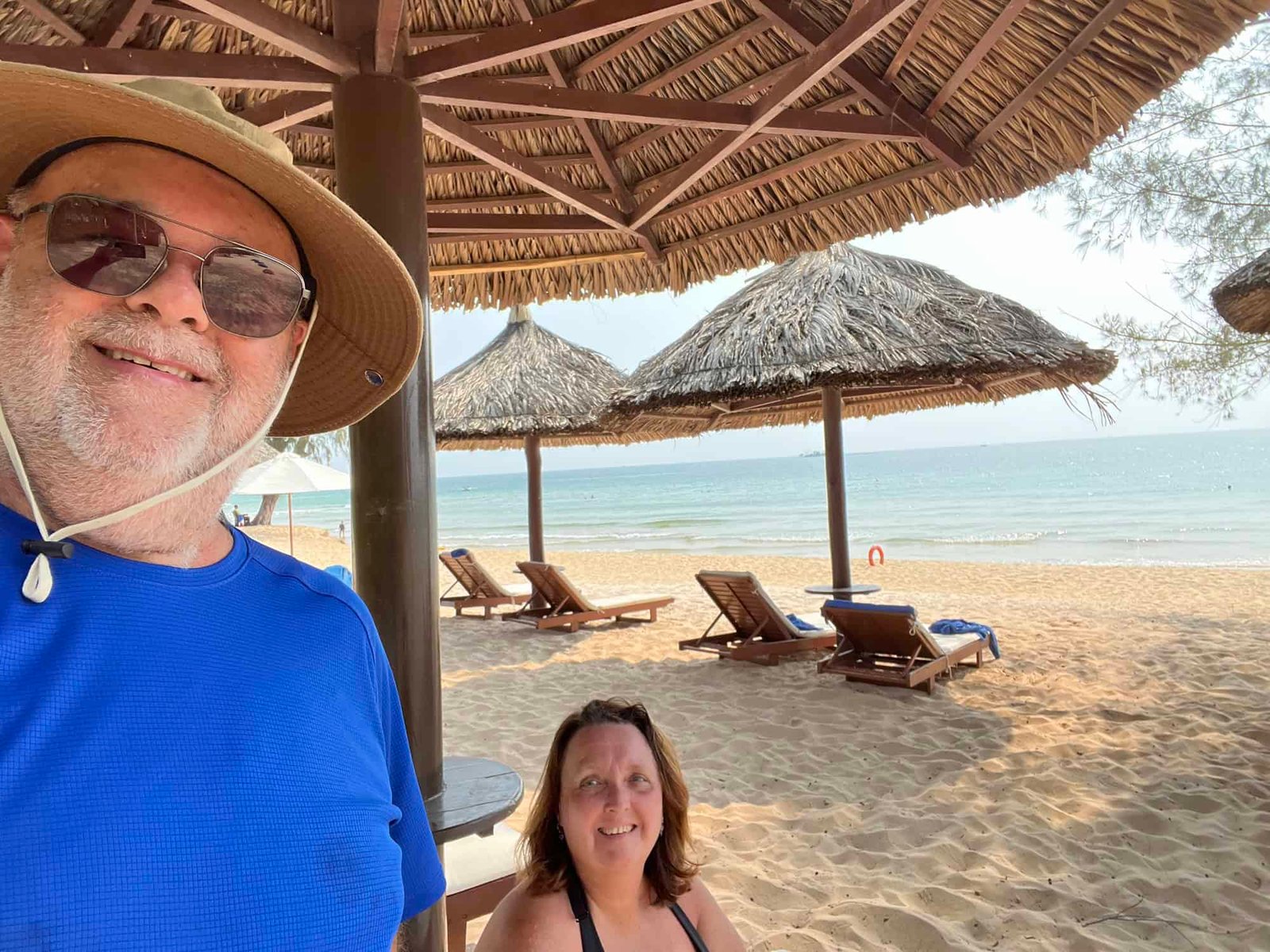
If you’re only after a flop-and-drop, four nights will do it. If you want to mix in the theme parks, the cable car, a day trip to nearby islands, and a proper chunk of beach time, give yourself a week.
Any longer than that and you’re into “we’re here now, let’s really live it” territory, which is a perfectly good call if your budget can stretch and you’re prepared to hire a scooter and explore.
How do you get to Phu Quoc?
To get to Phu Quoc, you have several options:
By Air
Phu Quoc International Airport (PQC) has expanded significantly since we were there, and it’s currently being upgraded again ahead of APEC 2027.
You’ll find direct flights from Ho Chi Minh City, Hanoi, and Da Nang, plus a growing list of international routes including Bangkok, Singapore, Kuala Lumpur, Seoul, Taipei, and several cities in Russia and Eastern Europe.
If your home city doesn’t have a direct flight, connecting via Ho Chi Minh City is the easiest and cheapest option.
By Ferry
- From Ha Tien: You can take a ferry from Ha Tien, a town in the southwestern tip of Vietnam. The ferry ride takes about 1.5-2.5 hours.
- From Rach Gia: Another option is to take a ferry from Rach Gia, which takes approximately 2.5-3.5 hours.
Both are fine in calm weather and a bit of a slog when it’s rough. We’d fly.
By Bus and Ferry
From Ho Chi Minh City, you can take a bus to either Ha Tien (7-8 hours) or Rach Gia (6-7 hours), then catch the ferry. It’s cheap. It’s also a very long day when the flight is an hour and change.
By Private Car and Ferry
From Ho Chi Minh City or Can Tho, a private car to the ferry port is more comfortable and more flexible than the bus. Worth it if you’re travelling with luggage or in a small group.
Best things to do in Phu Quoc
Plenty still on offer, though some of the quieter experiences we had are now much busier. Here’s an honest rundown of what’s still worth your time and what to approach with tempered expectations.
1. Chill out on the beach (but choose carefully)
This is the biggest change we need to flag. Not all Phu Quoc beaches are what they were.
The headline beaches are still beautiful, but trip reports from the last twelve months paint a mixed picture. Some stretches are pristine. Others, particularly after heavy rain or near construction zones, are dealing with visible rubbish and mixed water quality.
The island is reportedly handling over 200 tonnes of waste a day, and the infrastructure hasn’t quite caught up.
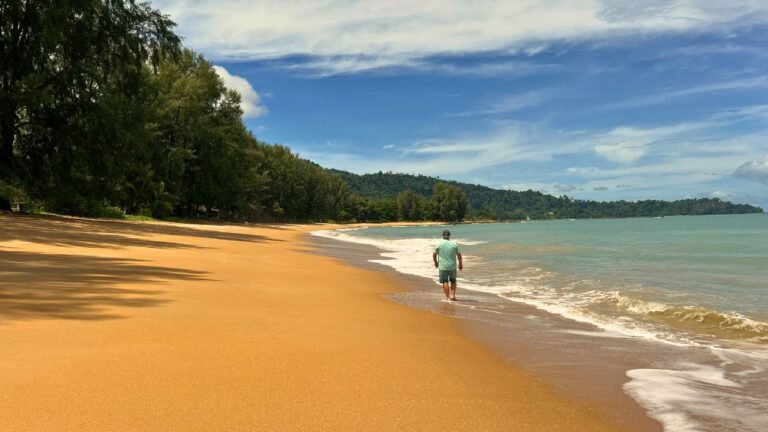
If you want the postcard experience, head north or to the west coast:
- Ong Lang Beach: Still our pick for relaxed, quieter days.
- Starfish Beach (Bai Rach Vem): On the north coast, still lovely, though get there early.
- Vung Bau and Dai Beach: Quieter options on the northwest side, worth the drive.
Long Beach near Duong Dong is the one we’d now approach with care. It’s the most built-up stretch and the most variable. Sao Beach in the south is still beautiful but genuinely crowded in peak season.
Think carefully if:
You’re picturing the Maldives. That’s not this island anymore, at least not in the main tourist zones. Pick your beach with care and you’ll be fine.
2. Hit the water for some snorkelling or diving
Still one of the top reasons to come. The waters around the An Thoi archipelago and the smaller islands to the south are genuinely beautiful, and the reefs are in reasonable shape. Day trips are easy to book through Klook or direct with operators at the harbour.
We’d suggest going with a smaller operator if you can, rather than the big boats that fill up with 40+ people. Same reefs, better experience.
Klook.com3. Eat your way through the Night Market
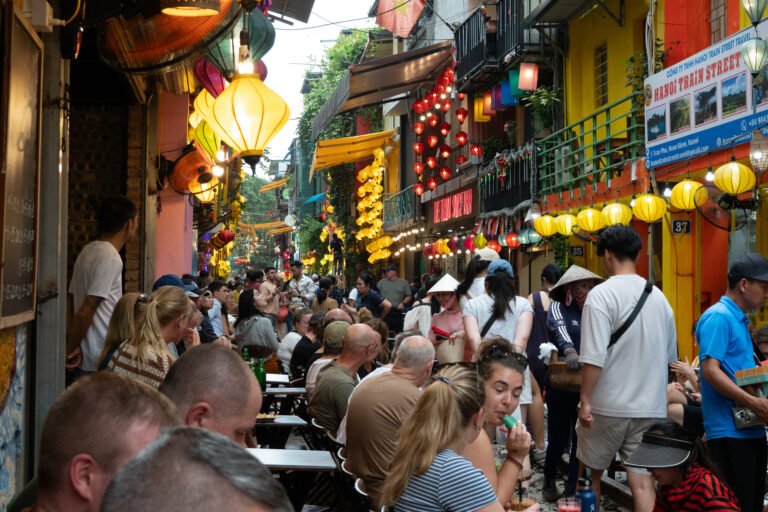
The Cho Dem Night Market is still the heart of Phu Quoc’s evening scene. Fresh seafood, good atmosphere, and prices that feel like a gift if you’re coming from Europe, USA or Australia.

4. See some animals at VinPearl Safari
We went in reluctantly and came out impressed. It’s a proper conservation park, not a zoo in the old sense, and the safari bus through the open enclosures is the highlight.
Worth a half-day. Book online to skip the ticket queue, which is now longer than it used to be.
5. VinWonders (adventure day with a caveat)
Here’s where we have to be honest about how much has changed.
When we went in late March 2024, there were more staff than visitors. We walked onto every ride. We rode the big ones multiple times back to back.
That experience is essentially no longer available. VinWonders in 2026 is busy most of the year and genuinely packed during Tet, summer, and Christmas/New Year. It’s still a good park.

The turtle-shaped aquarium is still one of the best we’ve ever seen. But go in expecting Disneyland crowds rather than a ghost town, and pick a weekday in a shoulder month if you can.
If you can time it for late October to early November, or the first half of March, you’ll get a much better experience.

6. Get a bird’s eye view from the Phu Quoc Cable Car
Still the world’s longest sea-crossing cable car, still a 15-minute ride over some genuinely beautiful water, still worth doing. Pauline and I both enjoyed it, and I say that as someone who isn’t entirely comfortable with heights.

The cable car drops you on Hon Thom (Pineapple Island), which has been significantly developed since we visited. It’s now part of the Sun Paradise Land ecosystem, with a larger theme park, more beach club options, and nightly entertainment shows.
Great if you’re up for a full day of activities. A bit much if you were just after a quiet beach.
7. Go star-gazing at Starfish Beach
Still beautiful, still full of starfish, still worth the drive to the north coast. Go early in the morning before the tour buses arrive, and please don’t pick up the starfish. Taking them out of the water kills them, which ruins the beach for everyone who comes after you.

8. Go Island hopping
Still excellent. The smaller islands around Phu Quoc are, if anything, the best beach experience on offer because the mainland island has simply got busier. A day trip by boat, with snorkelling, lunch and kayaking thrown in, is a reliable highlight.
9. Hike to the waterfall
Suoi Tranh waterfall is still lovely. Not a massive cascade, just a peaceful spot with swimming pools and forest. Duong Dong Lake, with its various streams and smaller falls, makes a good half-day if you want a break from the beach.
This is one area of the island that hasn’t really changed, and hopefully won’t.
10. Take in the sunset at a Beach Club
More beach clubs exist now than when we visited, and the quality varies. The better ones are still a genuinely pleasant way to wrap up a day, with a cold drink and a sunset over the Gulf.
The lesser ones are overpriced and over-designed. Read a handful of recent reviews before booking anything with a reservation fee.

What has actually changed on Phu Quoc?
Worth pulling these together in one place, because they matter for your trip planning.
It’s much, much busier. Over 8 million visitors in 2025. Hotel occupancy around 95% during peak periods. The island that welcomed Vietnam’s 20-millionth international visitor in December 2025 is not the sleepy version we visited.
Infrastructure is catching up, but not evenly. Construction is everywhere ahead of APEC 2027. Expect detours, noise, and unfinished buildings next to some resorts. This will get better over time. Right now it’s a real factor.
The south is nearly unrecognisable from three years ago. Sunset Town, the Kiss Bridge, nightly fireworks, a cable car connecting into a full entertainment ecosystem. If that’s what you want, it’s impressively done. If you’re after a quiet beach, head elsewhere on the island.
Prices have moved. The US$100-a-night five-star beachfront pricing we enjoyed is essentially gone during peak season. You can still find good value in shoulder months, and the mid-range options remain genuinely affordable by Western standards. It’s just not the bargain it was.
The local government is paying attention. Phu Quoc has set up a Tourism Rapid Response Team and a 2026 Code of Conduct specifically aimed at stopping the Phuket-style issues around taxi overcharging, price gouging, and dodgy tour operators.
Whether it works long term is another question, but it’s an encouraging sign that the authorities are trying to learn from what went wrong elsewhere.
So has Phu Quoc become Phuket?
Not quite. Not yet. But it’s closer than it was, and the trajectory is clear.
The bit we liked most about Phu Quoc in 2024 was the sense that it was still finding itself. You got the nice beaches, the good food, the cheap cocktails, and the feeling that you were there slightly before the crowd. That particular gift is now largely gone.
What you get instead is a better-connected, better-infrastructured island with more things to do and a wider range of accommodation, traded off against more tourists, more construction, and a less frontier-feeling vibe. That’s not necessarily a bad trade. It’s just a different offering.
What can you eat in Phu Quoc?
The food is still great. That hasn’t changed and it’s not going to.
You’ll find the full spread of Vietnamese staples, plus some things that are more specifically southern and coastal. For the genuinely unusual, Nhum Bien (sea urchin) shows up at the night market, served in the shell with lime. It’s worth trying once. Pauline, diplomatically, is not a convert.

One dish that’s unique to the island is Bun Quay, a stirred noodle soup with fresh seafood in a rich broth. If you only try one local specialty, make it this one.
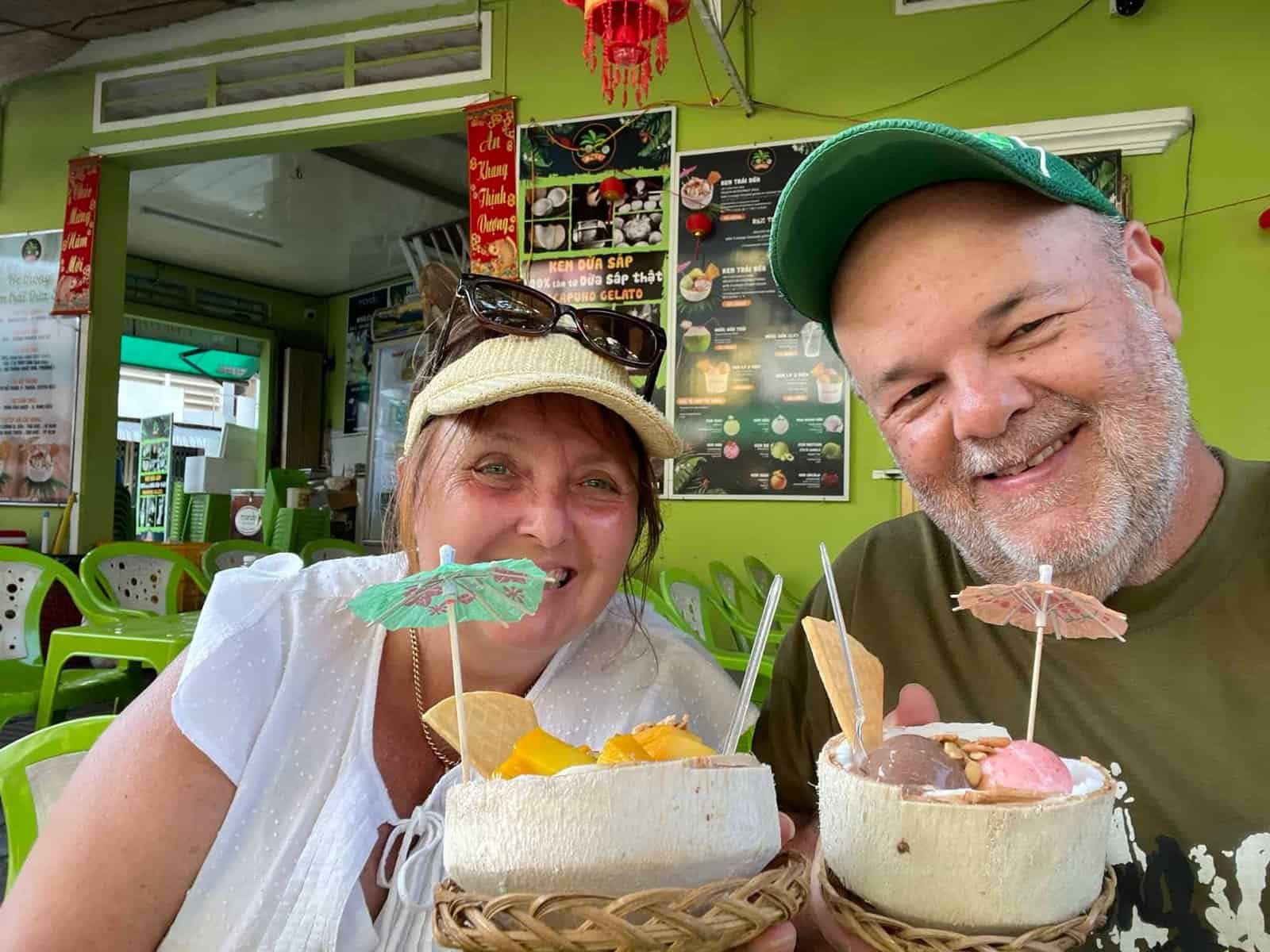
And our last recommendation from 2024 still stands. CocoDeli, a kiosk about a block from the night market, serves coconut gelato in an actual coconut shell with a tiny umbrella. It’s silly, it’s good, and we’re glad we can still recommend it.
Where to stay on Phu Quoc Island
Where you stay matters more now than it used to. The difference between a great Phu Quoc trip and a mediocre one often comes down to picking the right stretch of coast.
Our 2024 stays, with a 2026 update
Saigon Phu Quoc Resort & Spa (4-star, where we spent our first three nights): A beachfront resort with a very good breakfast. Well rated, still open, still in a decent mid-island location. Prices have risen but it remains mid-range rather than luxury.
Vinpearl Resort & Spa Phu Quoc (5-star, our final three nights): The pool was enormous, the breakfast buffet was outstanding, the private beach was lovely. Vinpearl have continued to expand their footprint, and we hear the resort is still excellent. Just don’t expect the 2024 price.
Recommendations for 2026
Budget Option: Ngoc Qui Bungalow still gets good reviews and, for just a few dollars more than a hostel dorm, gives you a proper bungalow. We think this is still the smart play at the budget end.
Mid-Range Option: Look at properties on the west coast or up in the Ong Lang area rather than central Long Beach. You’ll get a better beach experience and a quieter stay for similar money.
Luxury Option: The north of the island is where the smartest luxury sits now. Properties like the JW Marriott (south, admittedly, but set apart) and several of the newer resorts on the north coast consistently get strong reviews for beach quality and genuine peace.

Think carefully if:
You’re booking centrally on Long Beach purely for convenience. Convenience to what? The night market is a cheap taxi ride from almost anywhere. You’ll get more out of a quieter stretch.
Common questions about Phu Quoc Island
What is the best time to visit Phu Quoc?
Dry season is November to April, which is also peak tourist season. The sweet spot now, given the crowds, is late October into early November, or the back end of March into early April. You’ll get decent weather without the Tet and Christmas madness.
Is Phu Quoc safe for tourists?
Still safe, as Vietnam generally is. The new Tourism Rapid Response Team specifically targets tourist-related issues like overcharging taxis and dodgy operators. Regular common sense applies: watch your valuables in crowded markets, use reputable transport, and don’t leave anything obvious on the beach while you swim.
How can I get around Phu Quoc?
Taxis and Grab are widely available and still reasonably priced. Many travellers hire a scooter, which gives you the best access to the quieter parts of the island. Private car hire with a driver is genuinely affordable and worth it if you’re planning a full day of exploration.
Can I visit Phu Quoc on a budget?
Still yes, though not as cheaply as before. Vietnam remains an affordable country overall, and Phu Quoc gives you a beach escape that’s comfortably under half the cost of equivalent experiences in Thailand. The trick in 2026 is to travel in shoulder season and pick accommodation outside the main resort zones.
Is English widely spoken in Phu Quoc?
Yes, in the tourist areas, hotels, and most restaurants. Outside the main zones, a translation app is helpful.
What currency is used in Phu Quoc?
Vietnamese Dong (VND). ATMs are everywhere in the tourist areas. Some of the bigger resorts will quote prices in USD, but you’ll usually get a better rate paying in dong.
How is the walkability in Phu Quoc?
The beaches themselves are long and ideal for a morning or sunset walk. The rest of the island isn’t particularly walkable due to the distances and the heat. Embrace the scooter, the Grab, or the hotel shuttle.
Is Phu Quoc Worth Visiting? Our opinion.
If you’d asked us in 2024, we’d have said yes without hesitation and thrown in a line about it feeling like Phuket three decades ago. That line doesn’t quite land anymore.
What we’d say now is this: Phu Quoc is still worth visiting, but you need to go in with different expectations than the version of the island that’s been circulating on travel blogs for the last few years, including, frankly, ours.
It’s busier. It’s more developed. It’s more expensive, though still good value. The beaches vary from genuinely beautiful to visibly strained by the volume of people passing through.
The south is now a full-blown resort hub with fireworks and cable cars and Insta-bridges. The north and west are still quiet, still pretty, and still recognisably the Phu Quoc we enjoyed.
The island we fell for was one that was still finding its feet. The island you’ll visit in 2026 is one that’s been found, and is trying to work out how to handle it. That’s a less romantic story, but it’s not a bad one.
If you go in shoulder season, stay out of the busiest zones, and keep your expectations calibrated, you’ll still have a very good time.
And if you catch CocoDeli for a coconut gelato at sunset, tell them Dean and Pauline say hello. Some things, happily, don’t need updating.