How to Rethink Your Travel Bucket List After 50

When you first began dreaming about travel, what was on your bucket list?
There is a fair chance it included some combination of the world’s famous cities. Perhaps you added the pyramids, the Grand Canyon or Disneyland. They were the places we all seemed to know before we knew very much about the rest of the world.
When Pauline and I got together in our mid-twenties, we had both travelled a little, but neither of us would have described ourselves as well travelled. As we began talking about where we hoped to go one day, we quickly discovered that several of the same places appeared on both our lists.
London. Paris. New York. And Disneyland, because who didn’t want to go to Disneyland?
By the way, if you prefer to watch the movie rather than read the book, you can get the basic overview here!
We weren’t particularly drawn to big cities. Those were simply the destinations everyone talked about in the 1980s. Travel was less accessible, the information available to us was far more limited, and the same famous places appeared in films, magazines, brochures and other people’s holiday stories.
There was nothing wrong with our list. It gave us something to dream about. But it wasn’t especially well considered because we hadn’t yet travelled enough to know what we truly wanted to get from it. So at that stage it was all about ticking off places.
Many of us created our first bucket lists before we knew what kind of travellers we would become. We knew which places were famous, but not yet what we wanted to experience when we arrived.
If you wrote your travel bucket list again today, knowing everything travel has taught you, would it look the same?
We inherited many of our earliest travel dreams
Our younger selves were choosing from a much smaller visible world.

The places beyond it were always there, of course, but finding out about them wasn’t as simple as opening YouTube or joining a Facebook travel group. Inspiration came from a narrower collection of television programs, films, magazines, travel agents and stories from people we knew.
Certain destinations came to represent travel itself. Paris meant romance and culture. New York meant excitement. London offered history and familiarity. Disneyland was the childhood fantasy we might finally be able to experience for ourselves.
Those early dreams weren’t false, but many of them were inherited. We were told repeatedly that these were the places worth seeing, long before we had enough experience to ask whether they offered the kind of trip we would enjoy.
It is easy to assume that rethinking a bucket list means rejecting famous destinations in favour of obscure places that sound more adventurous. It doesn’t. Some places become famous for very good reasons, and visiting them can be every bit as memorable as we imagined.
The more useful question is whether the dream still belongs to you.
Some famous places deserve every bit of their reputation
Machu Picchu was added to our bucket list later, once we knew more about the world and had begun imagining travel beyond the obvious cities. By the time we finally reached it, our expectations were incredibly high.
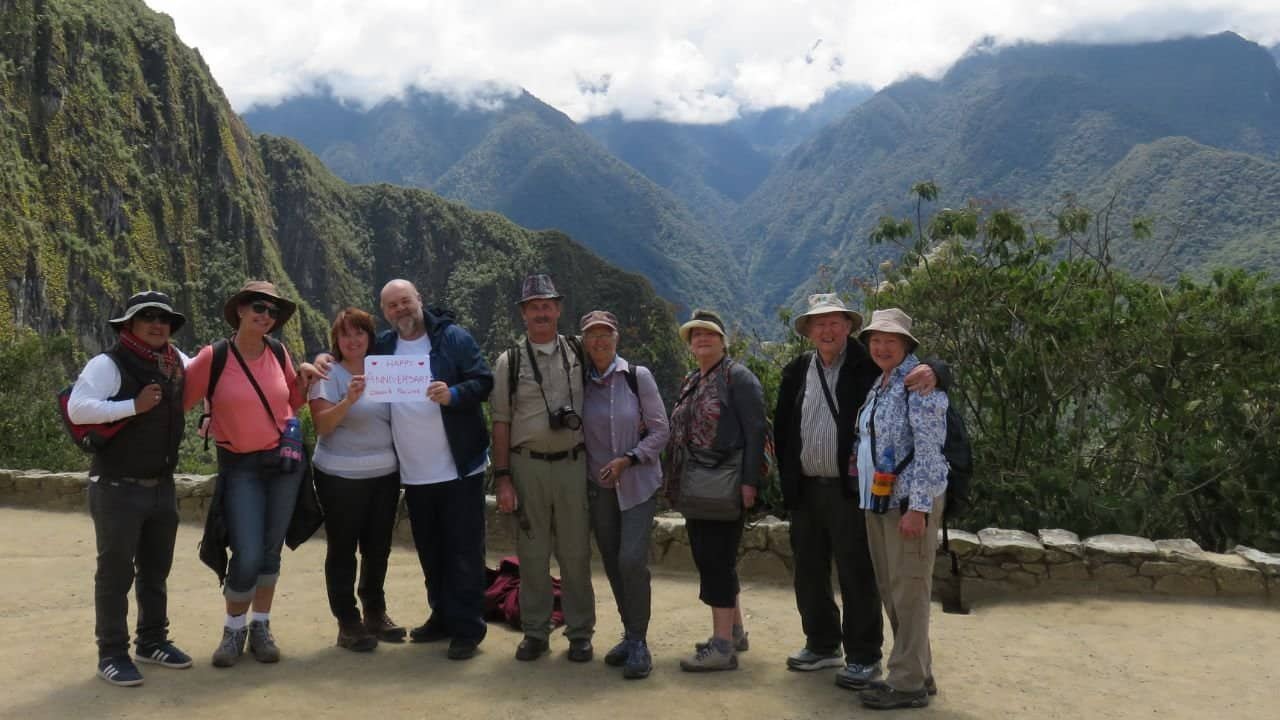
Somehow, the experience exceeded them.
We couldn’t have chosen a more memorable place to spend our 25th wedding anniversary. The setting, history and scale delivered everything we had hoped for and more. It remains one of those rare days when a long-held dream and the reality came together perfectly.
It was also an experience important enough that we didn’t want to leave the essentials to chance, which helped shape our approach to deciding how much of a trip should be planned in advance.
Anfield was another dream that lived up to its place on my list, although for very different reasons.
Pauline grew up in Liverpool, while I had supported Liverpool Football Club since I was a child. Watching a match at Anfield and singing “You’ll Never Walk Alone” with the crowd wasn’t meaningful because the stadium appeared on somebody else’s list of essential attractions. It carried decades of personal history with it.
That memory will stay with me forever, partly because I never stop talking about it.

These experiences remind us that there is no prize for removing famous places from our bucket lists. If standing at Machu Picchu, seeing the Eiffel Tower or attending a match at a stadium you have dreamed about for years still excites you, it belongs there.
But it should be there because it means something to you, not merely because a list once told you it should.
Sometimes the destination is right, but the trip is wrong
Paris had been on our list since those early conversations in our twenties. When we eventually visited, we did what first-time visitors are expected to do. We filled our days with major sights and moved between the attractions we had heard about for years.
We saw Paris, or at least we saw its essential landmarks. Yet the city left us feeling strangely underwhelmed.
Perhaps the problem wasn’t Paris. Perhaps we had approached it in the wrong way.
We were so busy ticking off the reasons people visit that we never gave the city much opportunity to invite us in. Our attention was on what we needed to see next rather than what was happening around us.
A few years later, we returned almost by accident. Paris wasn’t a major part of that trip. It was simply where we planned to return our rental car before flying home. We decided to allow ourselves to end the trip a few days without driving, but this time we arrived with no sightseeing plan.
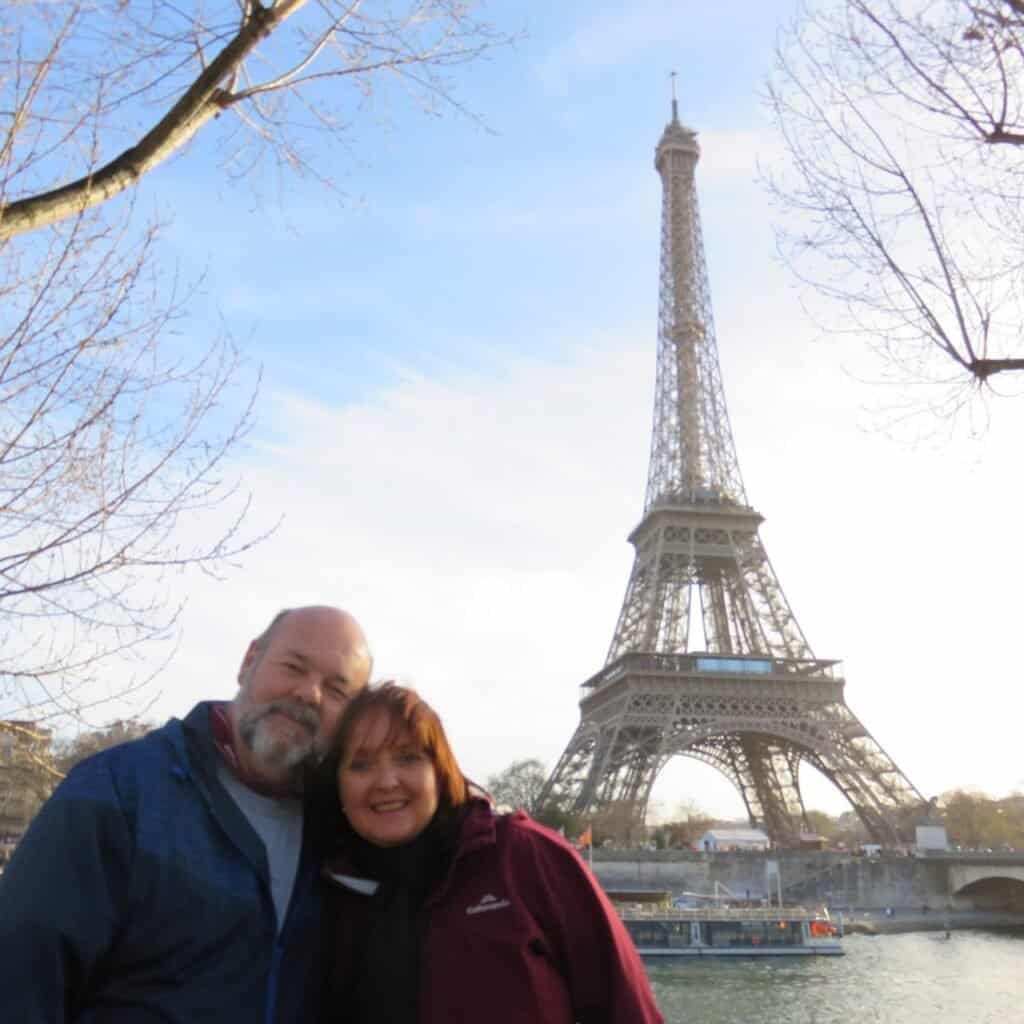
We wandered the streets. We stopped when a place interested us. We watched the city carrying on around us instead of hurrying towards another attraction.
This time we didn’t go sightseeing in Paris. We experienced Paris. And we finally understood why its reputation was deserved.
The city hadn’t changed. We had.
Travel experience had taught us that seeing the important attractions wasn’t always the same as understanding a place. We needed less pressure, fewer instructions and enough unplanned time to notice what sat between the landmarks.
If a bucket-list destination disappoints you, it doesn’t automatically mean it was overrated. The itinerary may have delivered everything the guidebook promised while missing the experience you personally needed.
Before removing an old dream, it may be worth asking whether the destination is wrong for you or whether the way you imagined visiting it no longer fits.
Sometimes the destination can stay. It is the trip around it that needs to change.
Travel gives us new dreams we couldn’t have planned
Not every important destination begins as a lifelong ambition. Some arrive with almost no warning.
Our relationship with Mexico began during a visit to San Diego. We had some spare time and made a last-minute decision to take a day trip across the border to Tijuana.
It was hardly an ideal introduction. The city wasn’t exactly beautiful, and almost everything was closed for a public holiday. Nobody would have looked at that experience and predicted that Mexico was about to become one of the most important destinations in our lives.
Yet we saw enough to realise there was much more on the other side of the border waiting to be understood.
We have now visited six times, spent about eight months travelling there and explored almost half the country, including a three-month road trip through Mexico. It has become our home away from home.
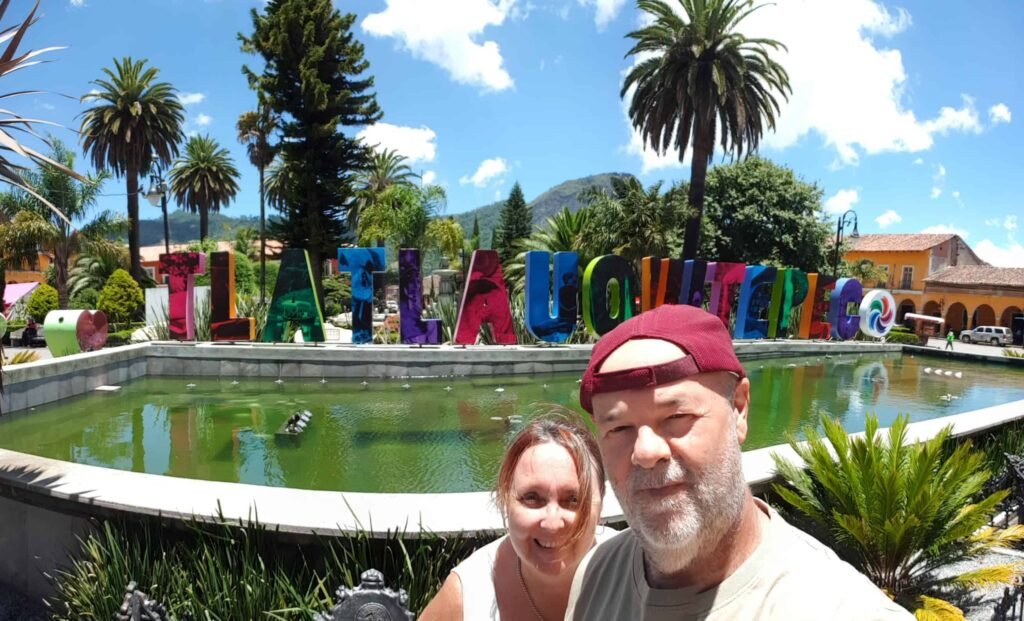
Mexico wasn’t one of the dreams we inherited when we were young. It became a dream because travel made us curious.
That may be one of the biggest changes in a bucket list as we grow older. At first, the list directs our travels. Eventually, our travels begin rewriting the list.
We discover small towns that stay with us longer than major cities. One region makes us curious about another. A meal, a conversation or even a less-than-perfect day trip reveals a possibility we hadn’t considered.
The places that eventually matter most to us may not be the ones we spent decades waiting to tick off. They can be the ones we didn’t know enough to dream about until travel led us there.
Old dreams don’t have to disappear
Rethinking your bucket list doesn’t have to become a ruthless exercise in crossing things out.
After we visited Machu Picchu, our next major ambition was a trip through Canada and Alaska, combining an Inside Passage cruise with a tour of the Canadian Rockies. It was heavily promoted as one of the world’s great travel experiences, and for years it sat close to the top of our list.
We still want to take that trip, but it no longer holds the same position.
Part of the reason is value. We now see other places where our travel budget could provide a longer or more varied experience. But the world has also opened up to us. We know far more about possibilities in places that received little attention when our original list was taking shape.
Canada and Alaska haven’t become less beautiful. Other parts of the world have become more interesting to us.
You may recognise the same shift in your own plans. A destination that once felt urgent may keep being postponed, not because you have stopped wanting it, but because new possibilities now excite you more.
There is no need to feel guilty about changing the order. A bucket list is not a contract, and the destination in the number-one position doesn’t have tenure.
Some old dreams move down the list. Others become more ambitious as our understanding of them grows.
An African safari has been high on our list for a very long time. Years ago, our imagined version was relatively simple: travel to Africa, spend a week or ten days seeing the wildlife, then come home. We would have been thrilled with that experience.
We would still love to go on safari, but that version of the trip no longer feels like enough.
Now we imagine staying longer. We want the wildlife, but we also want cultural experiences and the opportunity to understand something about the places beyond the wilderness. We might include time on the coast rather than treating Africa as the backdrop for a single type of adventure.
We sometimes talk about changing travel plans after 50 as though getting older inevitably means making them smaller. For some people, a shorter or more comfortable version of a trip will make it more enjoyable and achievable. There is nothing less adventurous about recognising what will help you get the most from an experience.
But greater experience can also make our ambitions larger and more nuanced. We may have more time available, greater curiosity and a stronger desire to understand a destination rather than visit its headline attraction and leave.
Canada and Africa remain on our list, but neither occupies the same place or represents the same trip it once did. One has moved lower as new possibilities have appeared. The other has expanded as we have thought more deeply about what we want from it.
A dream can remain important without remaining unchanged.
Your bucket list can include ways of travelling
When we were younger, a month away would have felt like an opportunity to see as many famous places as possible. If ten or twelve destinations could be fitted into the itinerary, that sounded like a successful trip.
Now one of our ambitions is almost the opposite. We want to stay longer in fewer places and spend more time exploring a smaller region.
The new item on our bucket list isn’t necessarily a destination. It is the experience of staying somewhere long enough to develop a temporary routine and learn what everyday life there might feel like.
Before committing to that idea completely, however, it can be worth testing whether slower travel actually suits you.
This change opens the bucket list to far more than a collection of locations.

Perhaps you want to take your first long road trip, travel independently after years of organised holidays, or try a small-group tour after always arranging everything yourself.
You might dream of taking your grandchildren somewhere meaningful, travelling with an elderly parent, returning to a place you visited decades ago, or planning an entire trip around food, history or nature.
Maybe you simply want to take a slower journey without feeling that every day needs to justify the cost of being away.
These ambitions may never appear on a map, but they can tell you more about the future you want than another list of countries.
The question gradually changes from “Where haven’t I been?” to “What would I still like travel to make possible?”
Two people don’t need the same bucket list
If you travel with a partner, there is another complication: you may be working with two different lists.
Pauline has wanted to visit the Greek islands for years. They barely made the bottom of my list. More recently, Bosnia, Montenegro and Slovenia have increasingly appealed to me. Pauline could see individual places that interested her, but initially she wasn’t nearly as enthusiastic about that part of Europe as I was.
We are now planning to combine the Balkans and Greece in one extended trip.
As we research each place and watch more travel videos, something interesting is happening. I am beginning to see more of what excites Pauline about the Greek islands, while she is discovering more reasons to look forward to the Balkans. What began as two unevenly shared ambitions is developing into a trip that could be very special for both of us.
Combining two bucket lists doesn’t have to mean taking turns enduring each other’s choices. The better starting point is understanding what lies behind them.
One person may be imagining quiet days near the water while the other wants old towns, traditional culture and a road trip through dramatic scenery. Those desires don’t necessarily compete. They may create a more varied journey when considered together.
You don’t need identical dreams, but each person needs something they are genuinely anticipating. Sometimes curiosity about your partner’s choice can even add a new possibility to your own list.
Give yourself permission to reconsider the list
By the time we reach our fifties and beyond, we have accumulated something our younger selves couldn’t have had: evidence.
We know whether we enjoy big cities or small towns. We know how often we like to move, how much structure helps us and when it begins to feel restrictive. We have learned whether an impressive itinerary leaves us energised or exhausted. We have memories of places that surprised us and supposedly essential experiences that left us less than thrilled.
Yet it can be strangely difficult to question a dream we have carried for decades.
Taking something off the list can feel like giving up. Choosing more comfort can feel like becoming less adventurous. Returning to a familiar place can seem wasteful when there are so many places we haven’t visited.
None of those things is necessarily true.
You are allowed to admit that an iconic attraction doesn’t interest you. You can replace a heavily promoted destination with somewhere few people you know have heard of. You can keep the destination but change the pace, spend more for comfort where it matters, or choose an organised tour if it makes the experience work better for you.
You can return somewhere you love instead of continually chasing the next new place. You can add a style of travel that once seemed unappealing. You can move an old dream further down the list without declaring it dead.
And you can have no interest whatsoever in completing the list.
Your bucket list was never meant to be carved in stone. It should change as travel changes you.
Start with the list you already have
You don’t need to replace your bucket list with a spreadsheet, scoring system and annual performance review. Travel has enough administration already.
But it may be worth sitting down with your list and asking a few honest questions about each item:
- Why did I originally put this on my list?
- What part of the experience genuinely excites me?
- Would I still want to take the trip in the way I once imagined it?
- Has something else become more meaningful?
- Is the destination important to me, or am I mainly attached to what it represents?
Some dreams will produce an immediate spark and should stay exactly where they are. Others may need to be redesigned around the traveller you are now. A destination may remain appealing but no longer deserve to be your next priority. Occasionally, you may realise that an item belonged to an earlier version of you and can be released without regret.
Then look beyond the destinations
Once you have reconsidered what is already there, leave some space for possibilities that may never have appeared on your original list.
Is there a way of travelling you would like to try? Somewhere you want to return to? An experience you would like to share with your partner, family or friends? Could one of your long-held dreams become a longer, slower or more meaningful journey?
If you travel with someone else, compare your answers. Don’t begin by deciding whose destination wins. Talk about what each of you hopes to feel and experience there.
Two apparently different ambitions may fit together more naturally than the place names suggest.
The point isn’t to produce a more efficient list. It is to make sure the list still reflects the life you want travel to be part of.
Let the list grow with you
There was nothing wrong with the list Pauline and I began creating in our twenties. London, Paris, New York and Disneyland represented the world we could see and imagine at the time. Those dreams helped make travel part of the life we wanted together.
But the list could never have included everything we would eventually discover.
It couldn’t have told us that Paris would mean more on our second visit, once we stopped trying to complete it. It couldn’t have predicted that a disappointing day in Tijuana would begin a lasting relationship with Mexico. Nor could it have explained that our dream of Africa would grow larger, or that two very different interests might one day become a shared journey through the Balkans and Greece.
Rethinking your travel bucket list after 50 isn’t about abandoning the dreams you formed when you were younger. It is about looking at them with everything you have learned since.
Keep the dreams that still belong to you. Reshape those that have evolved. Change their order when new possibilities excite you more. And make room for experiences you couldn’t have imagined when the list began.
You now know far more about the world. Just as importantly, you know far more about yourself.
Your bucket list should be allowed to reflect both.