Slow Travel Before Retirement: How to Test If It’s Right for You

If you search Youtube for retirement travel, you would be forgiven for thinking slow travel is the only way to travel in retirement. Stay longer, move less, save money, and finally enjoy a more relaxed pace after years of work.
But slow travel isn’t automatically the right fit for everyone — and finding that out after you retire can be an expensive and frustrating lesson.
In this post, I want to help you decide whether slow travel actually suits your travel style, energy levels, and expectations. I’ll explain why testing your retirement travel plans before committing to them matters, what a proper trial run looks like, and the kinds of signals to watch for as time passes.
The post explains why testing your travel style before retirement matters, what we discovered about slow travel, and how you can avoid making a costly lifestyle decision based on assumptions.
Prefer to sit and watch? Check out our video breakdown here.
The Common Assumption About Slow Travel
Many people approaching retirement believe that travelling more slowly will naturally lead to greater happiness and lower costs. The logic seems sound.
Stay longer in one place and you reduce transport costs, you avoid the stress of constant packing and moving, and you have time to get to know neighbourhoods, markets, cafés, and daily routines.
Travel becomes less about ticking off attractions and more about living.
This idea appeals strongly to travellers who now have more flexibility around when they can travel and for how long, especially those looking for a more relaxed, meaningful way to explore the world after years of work.
The problem is not that slow travel is wrong. The problem is assuming it is the only option on the table.
Why Assumptions Can Be Risky in Retirement Planning
Retirement travel decisions tend to be bigger than normal vacation choices. You often hear stories of how they involve downsizing a home, selling possessions, locking into longer leases, committing to visas, and restructuring finances around a new lifestyle.
When these decisions are based on assumptions rather than experience, the risks increase significantly.
If a travel style does not suit you, discovering that after retirement can be emotionally and financially expensive. A pre-retirement trial run, on the other hand, is a relatively low-risk way to gather real-world information before making long-term commitments.
What We Mean by a “Slow Travel Trial Run”
A slow travel trial run is not just another typical vacation spread over a longer time. It is a deliberate test of daily life in one place for an extended period.
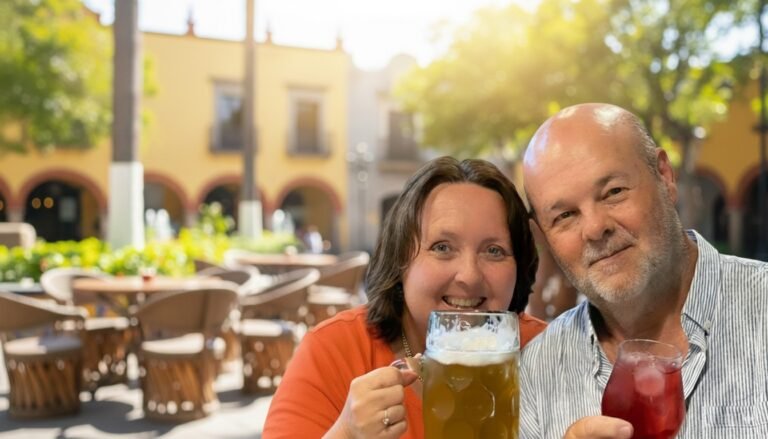
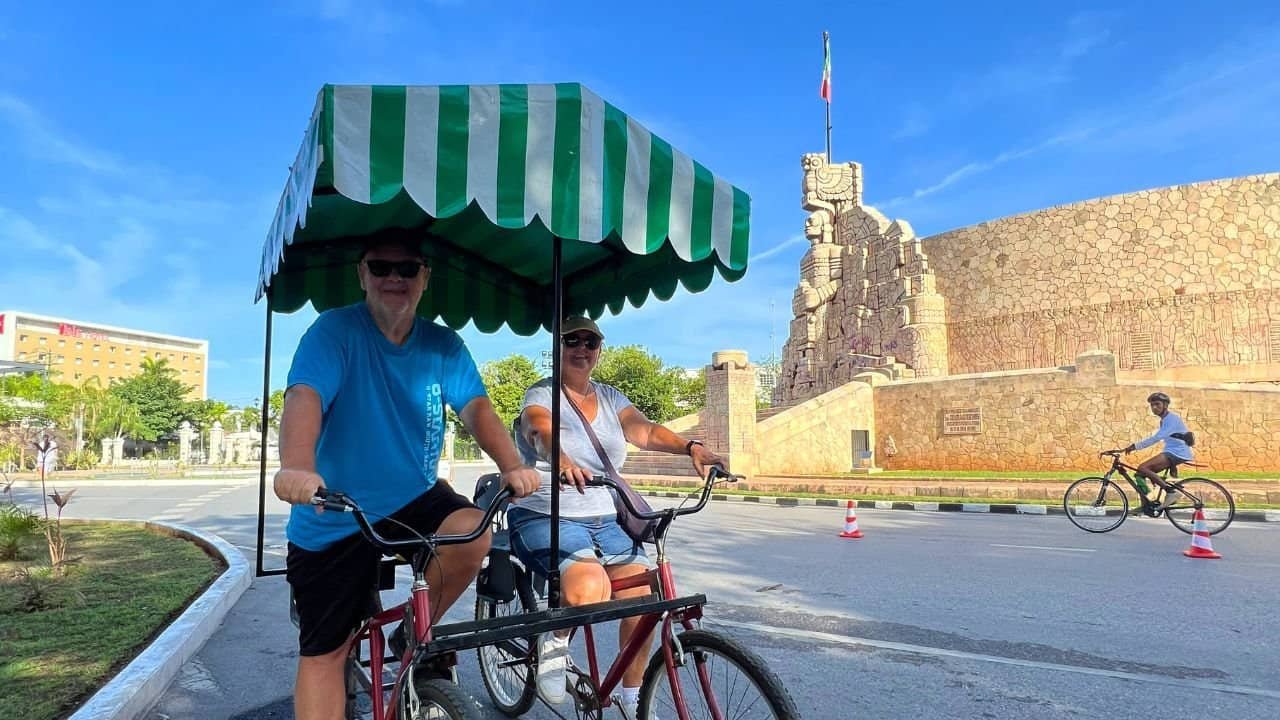
During our trial with a month in Merida, Mexico, we made a serious effort not to be constantly chasing highlights or being our typical touristy selves. Instead, we focused on observing how we actually felt as time passed.
We paid attention to energy levels, routines, motivation, costs, boredom, and enjoyment. We treated the experience as research rather than an escape.
That mindset made it easier to see what worked and what didn’t.
What Worked Well About Slow Travel
Slow travel does offer genuine benefits, and our trial reinforced many of them.
Reduced Travel Fatigue
Staying in one place eliminates the constant cycle of packing and unpacking, airports, check-ins, and transport delays. That alone can make travel feel far less exhausting.
Better Accommodation Value
Longer stays often mean lower nightly rates, access to apartments instead of hotels, and facilities such as kitchens and laundry. This can significantly improve comfort and cost control.
A More Natural Daily Rhythm
Slow travel allows space for rest days, relaxed mornings, and unstructured time. For many travellers, especially those recovering from busy working lives, this can be deeply appealing.
Deeper Local Familiarity
Spending weeks in one place makes it easier to learn neighbourhood layouts, find favourite food spots, and interact more naturally with locals.
All of these benefits are real, and for some travellers, they are more than enough to make slow travel an ideal long-term choice.
Where Slow Travel Didn’t Suit Us
Despite those positives, our trial run revealed several challenges we were not expecting.
Restlessness Appeared Earlier Than Expected
After roughly two weeks in the same location, we began to feel restless. Streets felt familiar rather than interesting. Daily routines had already started to repeat. The sense of discovery that energises us when travelling began to fade.
The Adventure Element Diminished
Travel, for us, is closely linked to exploration and a desire to experience new places and experiences. While we enjoyed settling in initially, staying too long reduced the feeling that we were actively travelling.
Routine Replaced Curiosity
Admin tasks such as grocery shopping, laundry, and trying to constantly find new things to do and places to see, started to kill our joy. The lifestyle began to resemble everyday life back home, but in a place way hotter and a bit less comfortable.
Productivity and Motivation Dropped
We expected a slower pace to improve focus and creativity. Instead, we found our motivation dipped once the novelty wore off.
None of this means slow travel is flawed. It simply means that its benefits and challenges vary depending on personality, energy levels, and expectations.
Discovering Our Actual Travel Rhythm
The most valuable thing to come out of our trial run was getting much closer to realising the type of travel that suits us best, at least for the foreseeable future.
We learned that we are not ready for month-long stays, but we also no longer enjoy our previous vacation-mode fast, constantly moving travel. Our sweet spot sits somewhere in between.
For us, staying in a place for one to two weeks provides enough time to settle in without losing momentum. It allows for rest, exploration, and variety without feeling rushed or stuck.
This “slow-ish” approach is not better or worse than slow travel. It is simply a better fit for who we are.
The Financial Value of Testing First
The financial benefit of trial runs is often underestimated.
Testing a lifestyle for a few weeks or months costs money, but committing to the wrong lifestyle after retirement can cost far more. Long-term leases, visa fees, relocation costs, and opportunity costs add up quickly.
Not to mention the potential upheaval of selling your home and everything else, with the intention of going all-in on the slow nomad lifestyle, only to discover it’s not what you were hoping for and wanting to go back.
More importantly, the emotional cost of feeling trapped in a lifestyle that doesn’t suit you can affect enjoyment, confidence, and relationships.
A trial run provides clarity at a fraction of the cost of reversing a poor long-term decision.
How to Design Your Own Travel Trial Run
If you are considering slow travel or extended stays in retirement, a trial run does not need to be complicated.
Choose a Realistic Destination
Pick a place you would genuinely consider living or staying long-term. Avoid destinations that feel like a once-in-a-lifetime holiday if they are not representative of your future plans.
Watch videos of people you can relate to, who recommend a particular location, or consider a place you have previously visited and feel that you might enjoy returning to for a longer stay.
Do NOT choose a place that is wildly different from everywhere you have been before. That dramatic a culture shock could have you failing the experiment before it even begins.
Stay Long Enough to Feel the Routine
Two weeks is often the minimum needed for patterns to emerge. A month provides even clearer insight, but even shorter trials can be valuable if approached thoughtfully.
Live Normally, Not Exceptionally
Resist the temptation to treat every day like a sightseeing marathon. Cook some meals, take rest days, and allow your usual daily life to appear if it naturally does.
Observe How You Feel Over Time
Pay attention to energy, mood, motivation, and enjoyment as the days pass. Often the most useful insights appear after the initial excitement fades. So your feelings at the end of week 4 could be considerably different from how you felt after the first week.
Why Trial Runs Are Especially Important Before Retirement
Before retirement, you still have flexibility. You can test ideas without needing them to work perfectly. Adjustments are easier, and mistakes are cheaper.
Once retired, the pressure to “get it right” increases. Trial runs reduce that pressure by turning unknowns into informed decisions.
Rather than asking whether slow travel is good or bad, the better question is whether it suits you.
Final Thoughts
Slow travel can be a wonderful way to experience the world in retirement. But it is not automatically the right choice for everyone.
Testing your travel style before retirement allows you to make decisions based on lived experience rather than expectation. It helps you design a future that fits your energy, interests, and personality.
In our case, a simple trial run saved us from jumping into a retirement plan and lifestyle that didn’t truly suit us. It looked great on paper, but the reality was very different.
And that knowledge has been invaluable.