Are Group Tours Worth It After 50? Pros, Cons and Common Myths

Mention group tours to someone who’s spent years travelling independently and there’s a fair chance they’ll picture a large coach, a guide waving a flag, and a schedule that allows precisely seventeen minutes to admire something they’ve travelled halfway around the world to see.
It’s an image that’s difficult to shake. And to be fair, some tours aren’t a million miles away from it.
But there’s a lot more to group touring than being shepherded from one famous attraction to another. There are small-group adventures, specialist tours, river cruises, leisurely escorted holidays and traditional coach tours.
Some are designed for active travellers who want to pack plenty into each day. Others are deliberately relaxed, with time to enjoy destinations without feeling rushed.
If you’re accustomed to organising your own travels, though, the objections probably go deeper than the size of the coach.
Will you lose too much independence? Will you enjoy spending weeks with strangers? What if the itinerary moves too quickly, or the other passengers move too slowly? And perhaps most importantly, are you paying more for a trip you could organise yourself?
They’re all reasonable questions, and some of the concerns behind them are entirely justified.
Pauline and I have spent most of our travelling lives exploring independently, and it’s still the approach we generally prefer. But I’ve also worked in the travel industry, including designing escorted coach tours for older Australians at All Australian Journeys and working with Scenic Luxury Cruises.
And when we joined a small-group tour in Peru, we discovered some advantages of organised travel that we’d previously underestimated.
That experience didn’t turn us into committed group tour travellers. It simply gave us another option to consider.
So let’s look beyond the stereotypes and explore what group tours actually offer, where the compromises lie, and how to decide whether one might be worthwhile for you.
Understanding What Group Tours Actually Offer
Are all group tours large coach tours?
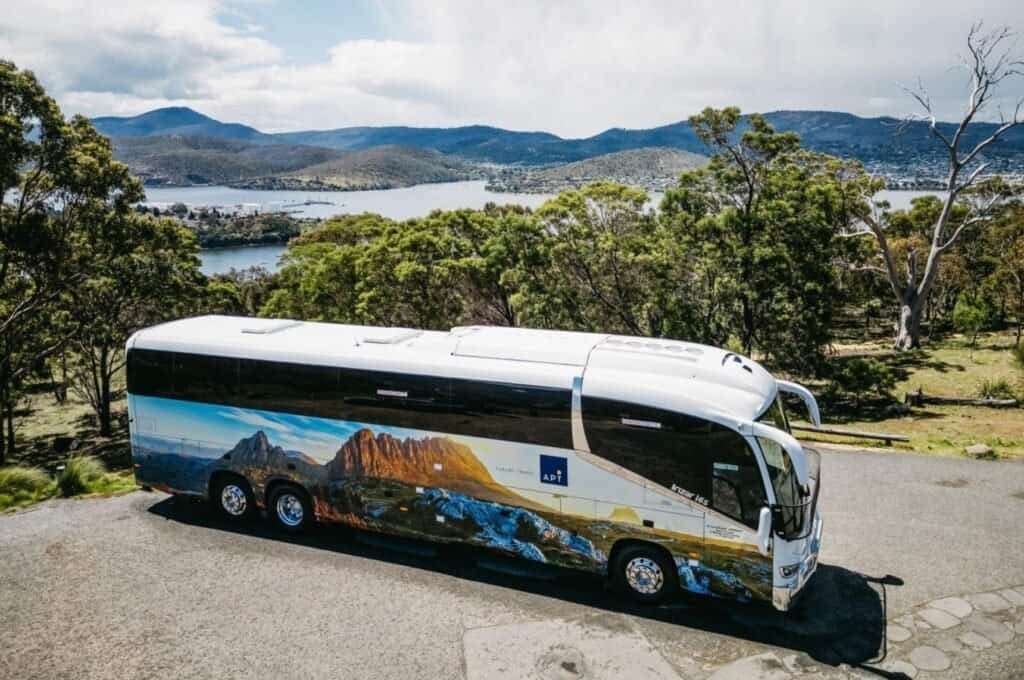
For many people, group touring means 40 or 50 passengers travelling together on a large coach, with a tour director managing the itinerary and accommodation arranged along the way.
That style of travel remains popular. It can be a comfortable, convenient way to see a region without worrying about transport, accommodation or organising daily sightseeing.
But it’s only one option.
Small-group tours may travel with a dozen people or fewer, often using smaller vehicles and accommodation that couldn’t cater for a full coachload. Other tours concentrate on particular interests, such as wildlife, walking, history, food or photography.
Some offer premium accommodation and extensive inclusions. Others focus on more adventurous experiences, modest accommodation or destinations where independent arrangements can be challenging.
And the differences extend beyond passenger numbers.
At All Australian Journeys, my main role was designing itineraries for travellers predominantly over 60, with an average age above 70. We deliberately planned leisurely journeys, choosing destinations and activities that people with varying levels of mobility could comfortably enjoy.
Compare that with a small-group adventure involving hiking, early starts and basic accommodation. Both are organised tours, but they’re designed for very different travellers.
Smaller groups can also participate in experiences that would be difficult to arrange for 45 people. Visiting a local family’s home, joining a small workshop or exploring a village without overwhelming it can feel quite different when there are only a handful of visitors.
On the other hand, larger groups may provide more social variety, comfortable transport and a more affordable way to cover considerable distances.
When comparing tours, look beyond the advertised group size. Consider the transport, accommodation, activities and overall experience that come with it.
Are group tours only for elderly or inexperienced travellers?
There’s a persistent assumption that people choose organised tours because they’re too old, too nervous or too inexperienced to travel independently.
Yet experienced travellers have plenty of reasons to join a group.
Some destinations involve complicated transport arrangements, long distances or unfamiliar logistics. Others offer specialist experiences where a knowledgeable guide can add much more than simply pointing out the attractions.
And sometimes, after years of planning every detail yourself, it can be nice to let someone else take responsibility once in a while.
Of course, there are tours specifically designed for older passengers, including those who prefer a gentler pace or need to consider mobility limitations.
Having designed itineraries for that market, I know how much thought can go into making a holiday comfortable and enjoyable for people whose needs might not be met by a more demanding itinerary.
A tour designed for less mobile travellers isn’t an inferior version of an active tour. It’s a different product serving a different audience.
Equally, there are plenty of travellers in their 60s and 70s who enjoy demanding walks, long sightseeing days and adventurous experiences.
Age is a poor substitute for understanding someone’s interests, fitness and preferred travel style.
The activities, physical requirements and pace of a tour will tell you far more about whether it’s suitable than the average age of its passengers.
Does choosing a group tour mean giving up independent travel?
It’s easy to think of independent travel and group touring as two opposing approaches.
You either enjoy organising everything yourself or prefer someone else to handle it. You’re either an independent traveller or a group tour person.
But there’s no reason to make that choice permanent.
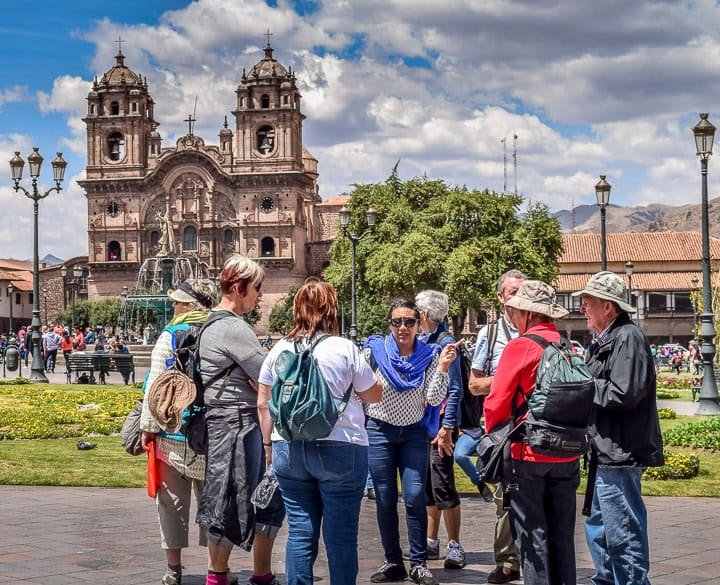
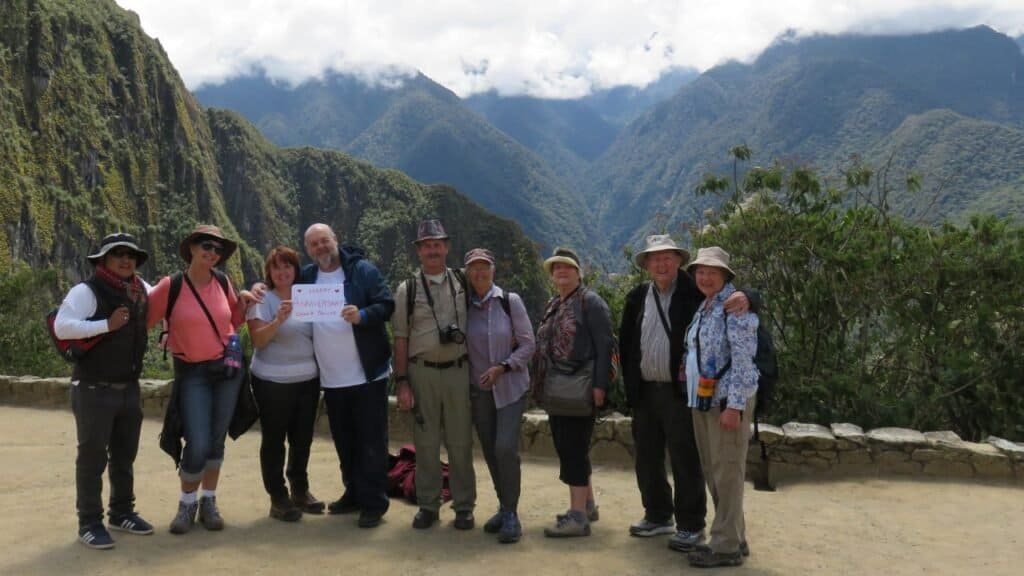
When Pauline and I visited Peru, we joined a small group of eight travellers. We weren’t particularly familiar with the country, the distances between destinations were considerable, and arranging everything independently seemed more complicated than we wanted.
Joining a group made sense for that trip.
It didn’t change the way we wanted to travel everywhere else.
You might happily explore Europe independently, join a guided safari in Africa, or spend several weeks travelling on your own before taking a specialist tour.
Different destinations, and even different stages of the same holiday, can call for different approaches.
Of course, joining a group means accepting compromises that independent travellers may find difficult. And some of those concerns are well founded.
The Compromises of Travelling With a Group
How much freedom and independence do you lose?
For many independent travellers, this is the biggest sticking point.
When you organise your own holiday, you decide when to leave, where to eat, what to visit and how long to stay. If you discover somewhere wonderful, you can extend your visit. If a destination disappoints, you can move on.
A group tour rarely offers that level of flexibility.
There are departure times to meet, activities already arranged and accommodation booked in advance. You may have to leave somewhere just as you’re beginning to enjoy it, or spend time at an attraction that holds little interest for you.
If spontaneity is one of your favourite parts of travelling, those restrictions can become frustrating.
But consider what you’re giving up responsibility for at the same time.
You don’t need to research every hotel, work out transport connections, arrange attraction tickets or spend your evenings planning the next day’s journey. Much of that work has already been done.
I genuinely enjoy planning our travels, but there are times when I get tired of handling all the logistics. The idea of arriving somewhere and knowing that everything is organised can be very appealing.
And the amount of independence you retain varies enormously between tours.
Some have almost every hour scheduled. Others include free afternoons, optional activities or entire days to explore on your own.
I’d happily accept a fairly structured itinerary if the activities were worthwhile, but in an interesting destination I’d ideally want at least one full day to wander around at our own pace.
A free afternoon following a long coach journey isn’t the same as a full day to explore a city, even if both appear in the itinerary as time at leisure.
Are group tour itineraries too rushed?
Some certainly are.
An itinerary promising five countries, twelve cities and a collection of famous attractions in two weeks might look impressive in a brochure.
But once you account for travelling between destinations, checking in and out of hotels, meal stops and organised sightseeing, how much time is left to enjoy the places you’ve come to see?
During my years in the travel industry, I felt some large European coach tours placed far more emphasis on their impressive list of destinations than on the hours passengers would spend sitting on a coach.
It’s understandable from a marketing perspective, but it can create expectations that don’t match the reality of the holiday.
Frequent one-night stays are another warning sign. Packing and unpacking every day or two becomes tiring, particularly when combined with early starts and long driving days.

That said, some travellers genuinely enjoy fast-paced touring.
If you’ve only got a couple of weeks and want an introduction to a region, covering plenty of ground may be exactly what you’re looking for.
Others would rather visit fewer places and have more time to explore each one.
When designing leisurely coach tours, I had to consider driving distances, suitable attractions, time for meals and the physical demands of each day. Those decisions weren’t afterthoughts. They shaped the entire experience.
A well-designed tour should reflect the interests and abilities of the people it’s intended for.
Personally, my preference has shifted over the years. I once would have been more frustrated by a group moving too slowly. These days, I’d be more concerned about rushing through places I wanted to enjoy.
And it’s worth distinguishing between a tour that’s poorly designed and one that’s simply designed for someone who enjoys a faster pace.
Before being impressed by the number of destinations on an itinerary, count the hotel changes and look closely at the travel days. You may discover that a slightly less ambitious tour offers a much more satisfying experience.
What if you don’t get along with your fellow travellers?
Spending several days or weeks with strangers is always going to involve an element of luck.
You might find yourself travelling with someone whose personality clashes with yours, someone who complains constantly, or people whose interests are completely different.
And unlike meeting an annoying person at a hotel, you can’t always avoid them for the rest of the trip.
Smaller groups can make difficult personalities harder to escape. Larger groups may offer more choice about whom you spend time with, although travelling with more people can create other challenges.
But the social side can also become one of the most enjoyable parts of a tour.
When Pauline and I travelled through Peru, she developed a friendship with another passenger that has continued long after the trip. I’m also still regularly in touch with Vanessa, our guide.
Pauline is naturally more sociable than I am. She can usually find someone to have a good conversation with, while I tend to take longer to warm to people.
Yet we both enjoyed sharing our experiences with the group.
I saw an even more interesting side of group touring when I accompanied an All Australian Journeys trip to the Melbourne International Flower Show as tour director.
Many passengers had travelled with the company before. Some recognised each other from previous holidays, not because they’d deliberately booked together, but because they happened to enjoy similar trips.
Others were simply looking forward to visiting somewhere new and meeting different people.
What amused me most was how many were discussing their favourite drivers and tour directors. They knew these people by name and talked about them as though everyone else should know them too.
And this wasn’t limited to one small coach touring company.
I encountered far more repeat travellers than I’d ever expected during my time in the industry. Some had taken numerous coach tours or river cruises with the same operator.
We often hear about people taking 20 or 30 ocean cruises, but I hadn’t realised how many travellers developed a similar enthusiasm for escorted touring.
For some, the familiar experience, trusted staff and opportunity to meet people with shared interests were clearly part of the appeal.
And later in life, when opportunities to form new friendships can become less frequent, that social aspect can be especially valuable.
Of course, companionship isn’t a guarantee. Some travellers prefer their own company, and even the friendliest group won’t suit everyone.
But if you’re worried about being stuck with people you don’t like, it’s worth considering the opposite possibility. You might meet people who make the trip even better.
How much flexibility do you have once you’ve booked?
The loss of flexibility begins before you leave home.
Most organised tours operate on fixed departure dates, with accommodation, transport and activities arranged well in advance.
If you change your mind, want to extend a stay or need to alter your plans, your options may be limited.
Cancellation and amendment conditions can also be expensive, particularly as the departure date approaches.
And even after you’ve booked, an operator may need to change parts of the itinerary because of weather, transport disruptions, attraction closures or other circumstances.
The advantage is that much of your holiday is organised and confirmed before you leave.
When disruptions occur, having an experienced tour director or operator coordinating the arrangements can save you time and frustration.
But don’t assume every tour provides the same level of support or flexibility.
Read the booking conditions, understand what happens if the itinerary changes, and check whether optional activities can be skipped.
Organised touring removes many of the decisions you’d otherwise have to make, but it also means accepting decisions made on your behalf.
Whether that’s a benefit or a frustration will depend on how much control you like to retain.
What Do You Actually Get for Your Money?
Are group tours more expensive than independent travel?
Often, yes. And for travellers who are comfortable organising their own trips, the difference can be substantial.
A well-organised independent itinerary can often cost much less than an escorted tour covering similar destinations.
But price and value aren’t quite the same thing.
A group tour might include accommodation, transport, admission fees, local guides, meals and activities that you’d otherwise need to arrange and pay for separately.
Another tour might advertise a surprisingly low starting price, only for many of the most interesting experiences to appear as optional extras.
During my time at Scenic, one of the challenges was convincing customers that a fully inclusive tour really could cover the experiences described without them needing to spend additional money to participate.
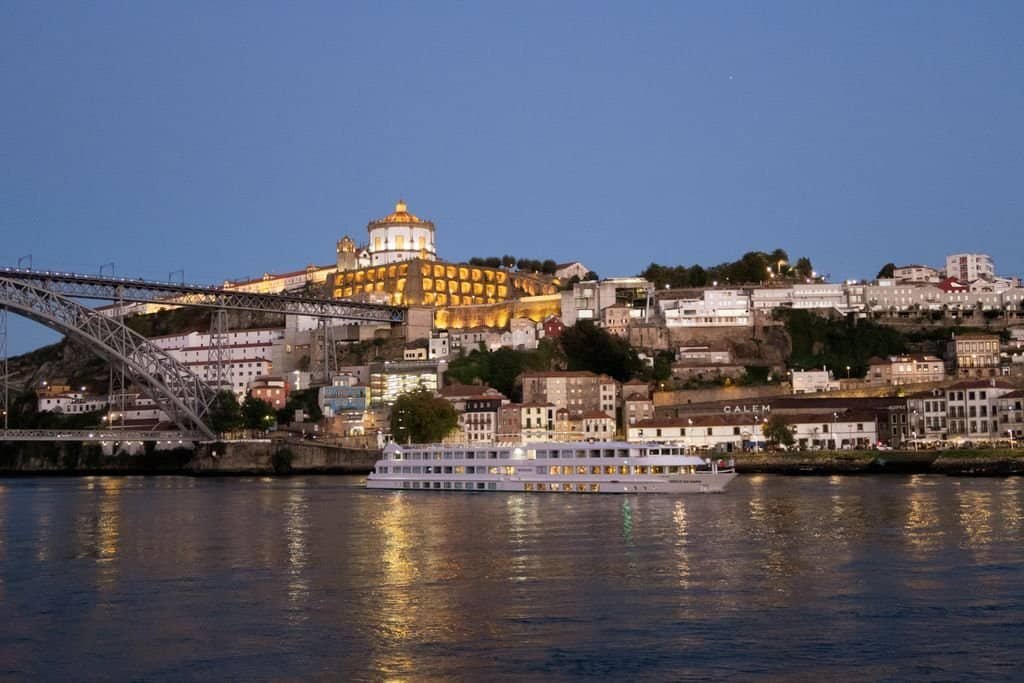
People were so accustomed to paying extra for excursions and activities that they sometimes struggled to believe what was already included.
Of course, the meaning of fully inclusive varies between products, and personal expenses may still be extra. It’s always worth checking the details.
When comparing tours with independent travel, start with the total cost of the experience you actually want.
Look at accommodation standards, transport, included meals, admission fees, guided activities and optional excursions.
Then consider the less obvious benefits.
How much time would you spend researching and booking the same arrangements yourself? Would you need to organise private transfers or navigate unfamiliar transport systems? Could a local guide provide experiences or knowledge you’d struggle to arrange independently?
And what happens if something goes wrong along the way?
Professional organisation can save more than planning time. It may also reduce the amount of time you spend dealing with logistical problems during the trip itself.
That convenience has value, although how much it’s worth will vary from person to person.
I wouldn’t pay a large premium for a tour that simply followed a route I could comfortably organise myself. But I’d be much more interested if it offered worthwhile experiences, specialist knowledge or logistical advantages that were difficult to replicate.
Do group tours only visit tourist attractions and shopping stops?
We’ve probably all seen the familiar scene: a coachload of tourists arriving at a famous attraction, taking photographs and climbing back aboard before heading to the next stop.
Some tours do operate that way, and shopping visits or commercial attractions can take up more time than passengers might like.
It’s worth examining those parts of an itinerary carefully.
But there’s nothing inherently wrong with visiting famous tourist attractions.
They’re famous for a reason.
If you’ve travelled halfway around the world to see the Colosseum, the Pyramids of Giza or Machu Picchu, you probably don’t want to miss them simply because thousands of other people are visiting too.
The real issue is how the tour approaches those places.
Will you have enough time to appreciate what you’re seeing? Is there a knowledgeable guide who can explain its history and significance? Does the itinerary provide opportunities to explore beyond the most familiar sights?
Or does it seem designed around a succession of brief photo stops?
Some travellers will be perfectly happy with a highlights tour, particularly if it’s their first visit to a region.
Others will want something more immersive.
A detailed day-by-day itinerary can reveal a great deal about the experience being offered, especially when you look beyond the headline attractions.
Can group tours offer genuine local experiences?
One of the assumptions independent travellers sometimes make is that organising everything yourself leads to more authentic experiences.
And while independent travel can create wonderful opportunities to explore beyond the usual tourist trail, it doesn’t guarantee a deeper understanding of a destination.
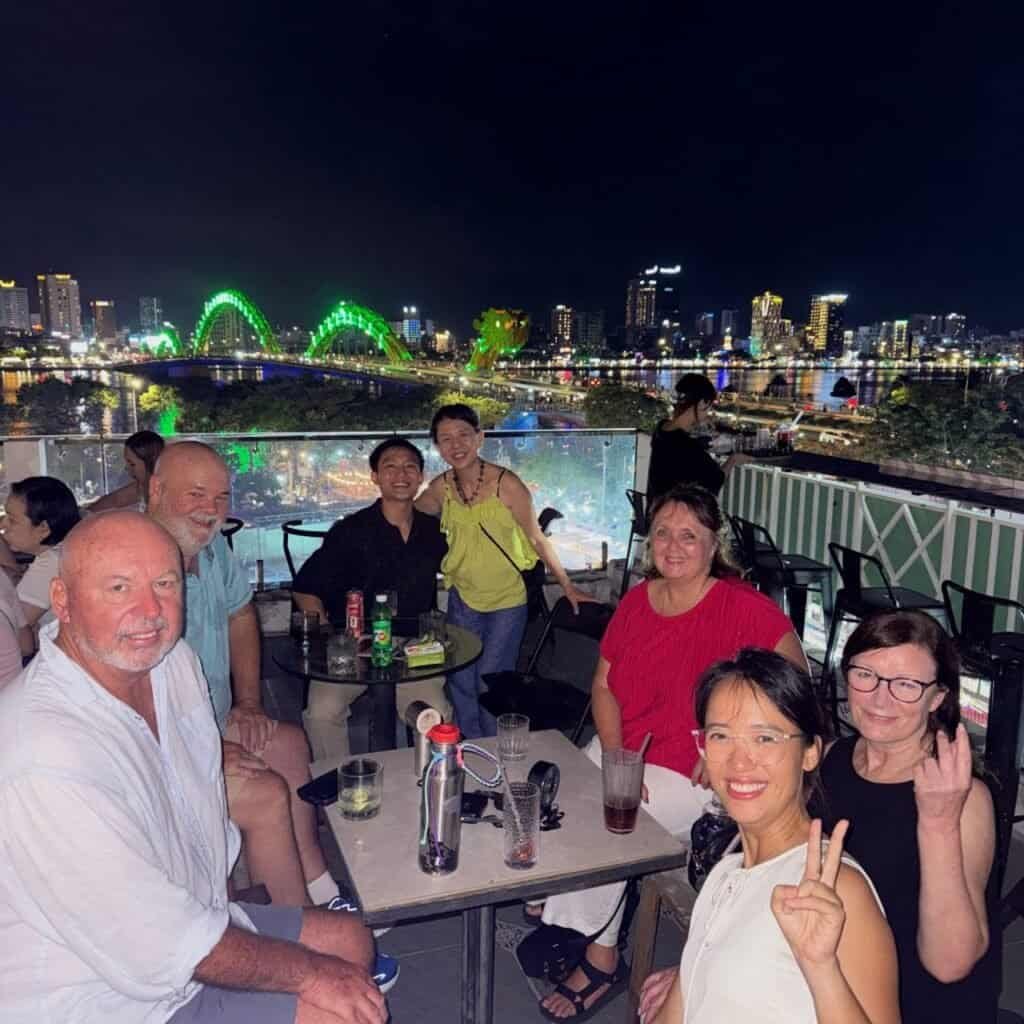
You can spend a week somewhere, visit the famous sights, eat in restaurants and return home knowing surprisingly little about the people who live there.
For me, even the most impressive attraction becomes more memorable when I understand something about its history, significance or connection to the local community.
A photograph can show you what a place looks like. A worthwhile experience helps you understand why it matters.
One of our favourite memories from Peru was visiting a potter’s home in the Sacred Valley, where we shared a traditional cuy dinner.
It gave us an opportunity to experience something beyond the usual sightseeing itinerary, and it was an activity we might never have arranged independently.
Our guide, Vanessa, also made an enormous difference.
She provided context, helped us understand what we were seeing and ensured the arrangements ran smoothly.
We were also lucky enough to visit Machu Picchu on our wedding anniversary. It was a wonderful coincidence that the tour itinerary placed us there on that exact day.
And because our admission was already secured as part of the organised tour, we didn’t have to worry about whether we could obtain one of the limited tickets available for that date.
Had we travelled independently, we would have needed to arrange admission ourselves, with no guarantee of securing our preferred day.
A good tour guide can transform an experience, and having important arrangements handled in advance can be just as valuable.
I remember customers from my travel industry days who returned disappointed with a tour. Sometimes, when we discussed what had gone wrong, the real problem wasn’t the destination or itinerary. It was that the tour leader hadn’t looked after the passengers as well as they expected.
There’s also a difference between a tour director who accompanies a group and manages the journey, and specialist local guides who provide detailed knowledge at particular destinations.
Some tours offer both. Others provide a more limited guiding service.
And while smaller groups may be able to participate in more intimate local activities, group size alone doesn’t guarantee a meaningful experience.
Look for specific activities that interest you, and find out what role local guides play in delivering them.
Phrases such as authentic cultural encounter sound appealing, but the details will tell you much more about what you’re actually booking.
Finding a Group Tour That Actually Suits You
Will the group’s fitness and travel pace match yours?
When people discuss group touring for older travellers, there’s often an assumption that the main concern is whether passengers will be physically capable of keeping up.
That certainly matters.
Some tours involve extensive walking, uneven surfaces, steep steps or frequent boarding and leaving vehicles. Others are designed to accommodate travellers who prefer shorter outings or have mobility limitations.
But during my time at Scenic, I regularly encountered a concern that initially surprised me.
Many older travellers weren’t worried about being unable to keep up. They were worried about less active passengers slowing everyone else down.
It was the opposite of what I’d expected.
And it highlights just how varied the expectations of older travellers can be.
Some people in their 70s are enthusiastic walkers who want full days of sightseeing. Others prefer a leisurely itinerary with shorter activities and more time to rest.
The physical demands of a tour need to suit the people booking it.
When planning tours for older Australians, we considered walking distances, accessible attractions, coach access and the amount of time passengers would need at each stop.
Those details were essential to creating an enjoyable holiday for our customers.
But that same itinerary might frustrate someone looking for an active adventure.
It’s also worth separating physical ability from preferred travel pace.
You might be perfectly capable of walking all day but still dislike changing hotels every night or rushing between attractions.
If you have mobility concerns, ask specific questions about steps, uneven surfaces, vehicle access and whether alternative activities are available.
And if you’re an active traveller, find out how the operator handles passengers with differing abilities.
A tour designed around the right expectations can make an enormous difference to everyone’s enjoyment.
Are group tours suitable for solo travellers?
For someone travelling alone, organised touring can provide companionship, shared experiences and the reassurance of having transport and accommodation arranged.
But there are a few additional considerations.
The most obvious is the single supplement.
When I worked in the travel industry, I often encountered customers who couldn’t understand why a solo traveller paid much more than half the price charged to a couple.
Much of the explanation comes down to accommodation.
A hotel room is generally priced for the room rather than simply divided equally between two occupants. When one person occupies it alone, the accommodation cost doesn’t automatically halve.
Similar considerations can apply to cabins and other accommodation used on organised tours.
That doesn’t mean every single supplement is reasonable, and the policies vary between operators.
Some offer room-sharing arrangements, reduced or waived single supplements on selected departures, or tours specifically designed for solo travellers. It’s worth asking about these options before assuming the advertised solo price is your only choice.
There’s also the social side.
Joining a group can make it easier to meet people and share experiences, particularly in destinations where travelling alone might otherwise feel isolating.
On the other hand, someone joining a tour dominated by couples may find that passengers tend to spend their free time with their partners.
If you’re travelling solo, compare the accommodation arrangements and overall group experience rather than focusing only on the advertised tour price.
What should you check before booking a group tour?
By now, it should be clear how differently two organised tours can operate, even when they visit much the same destinations.
Before committing, I’d look closely at these details:
- Group size and touring style: How many passengers will be travelling, and what type of experience is the tour designed to provide?
- Travel pace: How many one-night stays, early departures and long driving days are involved?
- Physical requirements: How much walking is expected, and are there stairs, uneven surfaces or mobility restrictions?
- Free time: Will you have meaningful opportunities to explore independently?
- Inclusions and exclusions: Which meals, attractions, activities and excursions are included, and what will cost extra?
- Guides and tour directors: Who accompanies the group, and when are specialist local guides provided?
- Accommodation: Where will you stay, and are the locations convenient for exploring during free time?
- Solo traveller arrangements: Are there single supplements, room-sharing options or dedicated solo departures?
- Booking conditions: What happens if you need to cancel, change your plans or the operator alters the itinerary?
I’d also suggest comparing two or three tours that interest you rather than choosing the first one with an appealing list of destinations.
One might spend much of the holiday travelling between attractions. Another might use fewer bases and allow more time to explore. One may include almost everything, while another charges extra for many of its most appealing activities.
And before booking, ask yourself one further question.
What would joining this tour actually make easier or better about this particular trip?
Perhaps it’s the convenience of having complicated transport arranged. Maybe it’s the opportunity to travel with others, benefit from specialist knowledge or enjoy experiences that would be difficult to organise alone.
If the advantages are substantial, the compromises may be worthwhile.
If you’re simply paying a large premium to follow an itinerary you could comfortably organise yourself, it may be worth reconsidering.
So, Are Group Tours Worth It After 50?
For some travellers, group touring is their favourite way to see the world.
Others will always prefer the independence of organising their own trips.
And plenty of us fall somewhere between those two positions.
There are genuine compromises involved in travelling with a group. You give up some freedom, accept a shared schedule and take a chance on the people you’ll be travelling with.
You may also pay more than you would if you arranged everything yourself.
But you can gain convenience, professional knowledge, companionship and access to experiences that might otherwise be difficult to organise.
Having worked in the industry, I understand why some people return to organised touring again and again. I’ve seen how much they enjoy the familiarity, friendships and reassurance of travelling with an operator they trust.
I’ve also seen why a tour designed for one type of traveller can be completely unsuitable for another.
Pauline and I still prefer independent travel for most of our holidays. We enjoy the freedom, and in many destinations I can organise an itinerary that suits us for less money.
But our Peru experience showed us that joining a group can sometimes be a very good decision.
When we eventually travel to Africa, we’ll certainly consider organised touring. We’d also seriously consider it for places such as Morocco or Sri Lanka, where having someone else handle the logistics could make the experience more appealing.
That doesn’t mean those destinations can’t be explored independently. It’s simply a matter of deciding which approach would work best for us.
And that’s what I’d encourage anyone who’s sceptical about group touring to consider.
You don’t need to abandon independent travel, embrace large coach tours or suddenly decide that organised holidays are your new favourite way to see the world.
Just keep the option open.
Because the question isn’t really whether you’re a group tour person. It’s whether there’s a particular trip where joining a group might be exactly the right choice.